

Bringing a child into your home and giving them the love, security, and stability they deserve is one of the most profound decisions a family can make. For many couples and individuals across Pakistan, this desire — whether born from an inability to have biological children, the loss of a relative, or simple compassion for a vulnerable child — is genuine and deeply felt.
But child adoption in Pakistan is not as simple as many families assume. The legal framework is unique, shaped by both Islamic principles and civil law, and the consequences of getting the process wrong can follow a child for their entire life — affecting their identity documents, education, passport, and legal security.
This complete 2026 guide covers everything you need to know about the legal adoption and guardianship process in Pakistan — from the governing laws and who is eligible, to documents, court procedures, and the most common mistakes families make.
What Is Child Adoption in Pakistan? Understanding the Legal Reality
Here is the first thing every family considering adoption in Pakistan must understand — formal adoption as it exists in Western legal systems does not exist under Pakistani law in the same form.
Under Islamic law, which forms the foundational basis of Pakistan's family law system, the concept of completely transferring parental rights — where a child legally takes the adoptive family's name and permanently severs ties with their biological lineage — is not recognized. This principle comes directly from Quranic guidance in Surah Al-Ahzab, which emphasizes the importance of maintaining a child's true lineage.
This does not mean, however, that you cannot legally care for a child. Pakistan's legal system provides a fully recognized and legally solid alternative — legal guardianship — which grants you formal legal authority to care for, raise, educate, and provide for a child, while the child retains their original name and biological identity.
What most Pakistani families understand as "adopting a child" is, in legal terms, obtaining a Guardianship Order from the Family Court — which gives the guardian complete legal responsibility for the child's welfare, upbringing, and future.
This is governed by two primary pieces of legislation:
Guardians and Wards Act 1890 — Pakistan's cornerstone legislation governing legal guardianship. Under this Act, a Family Court can appoint a guardian for a minor, giving them legal authority over the child's care, education, welfare, and property.
Provincial Child Protection Acts — Each province has child protection legislation governing vulnerable children in orphanages and child welfare centers. Families working through institutions like Edhi Foundation, SOS Children's Villages, or government Child Protection Bureaus must operate within this framework.
The legal documentation experts at Baco Consultants help families across Pakistan understand these frameworks and navigate the documentation process with confidence and clarity.
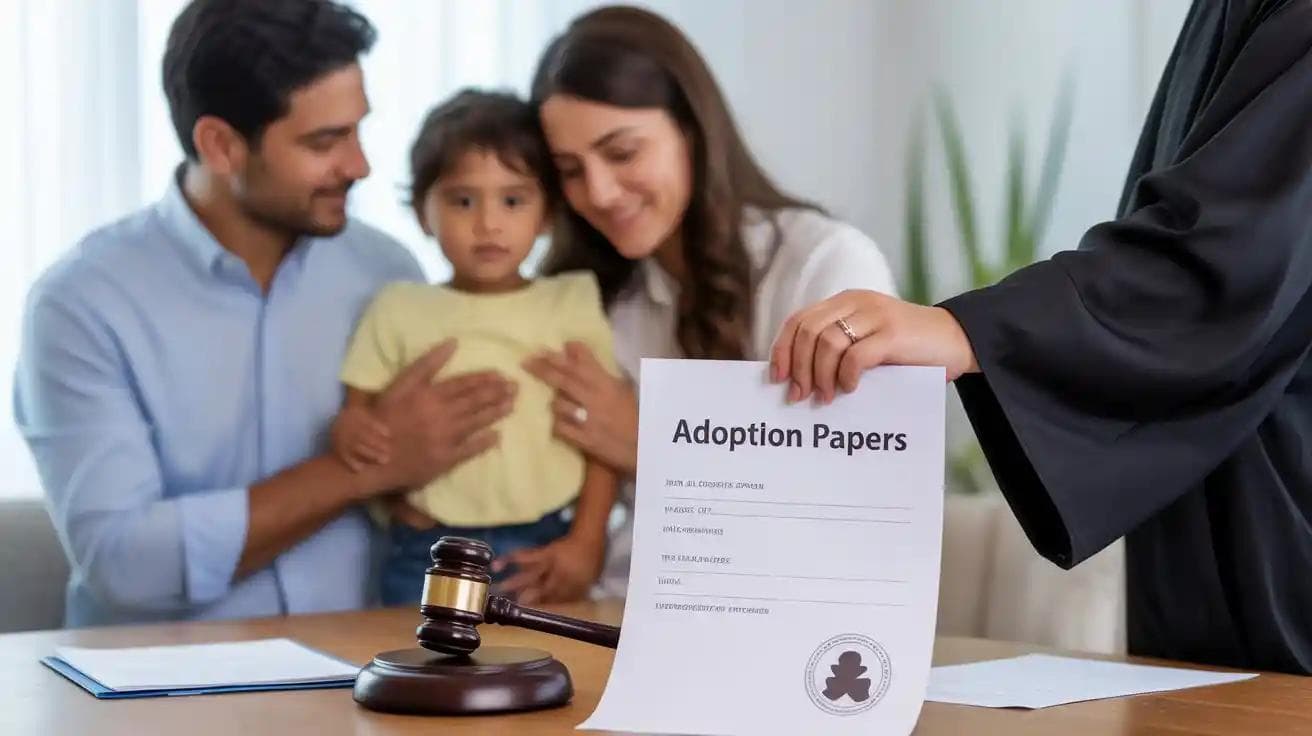
Why Formalizing the Process Is Not Optional
Across Pakistan, thousands of families informally take in orphaned relatives or unrelated children without going through any legal process. The compassion driving this is real and admirable. But the legal consequences of doing it without proper documentation are serious — and they fall hardest on the child.
NADRA and identity documents. Without a legal guardianship order, you cannot obtain a proper B-Form from NADRA showing you as the legal guardian. This affects school admission, passport applications, medical care, and social services access.
Education. Many schools — particularly for board examinations — require legal guardianship documentation when the adult's biological relationship to the child cannot be proven. Without proper paperwork, a child can face real administrative barriers at critical moments.
Travel and passports. Taking a child abroad for any purpose — medical treatment, family visits, relocation — requires a valid passport. A passport for a child requires documented proof of parentage or legal guardianship. Without a court order, this becomes legally impossible.
Protection against custody disputes. Informal arrangements leave families completely exposed to future disputes from biological relatives. A Family Court guardianship order provides legal standing and priority to the caring family that no informal arrangement can match.
Financial planning for the child. While Islamic inheritance law does not grant guardianship children the same automatic rights as biological children, a legal guardian can make proper arrangements — gifts, wills, trusts — to provide for the child's future. Without legal recognition, these arrangements have no solid foundation.
For professional support with guardianship documentation and related administrative processes, explore the complete services available at Baco Consultants.
Who Can Legally Adopt (Become a Guardian) a Child in Pakistan?
Understanding who is eligible to become a legal guardian is an important first step in the process.
Married couples are the most common applicants. Courts look favorably on stable marriages where the couple has the financial means and emotional capacity to provide for a child's full development.
Single individuals — both male and female — can apply for guardianship, though the court applies additional scrutiny to these applications, particularly regarding the child's safety and long-term welfare.
Age. Guardians must be adults above 18 years of age. Courts generally prefer guardians to be at least 21 years older than the child in most cases.
Financial stability. The court assesses whether the applicant can genuinely provide for the child's education, healthcare, and general needs throughout their upbringing.
Character. Applicants with criminal records, particularly anything related to child welfare offenses, will not be considered. A character certificate from local police or the Union Council is typically required.
Institutional consent. If the child is from a recognized orphanage, the institution must issue a No Objection Certificate confirming they support the guardianship placement.
Foreign nationals can apply for guardianship of Pakistani children, but the process is considerably more complex. It requires Pakistani court approval and simultaneous compliance with the applicant's home country's international adoption framework. International adoption from Pakistan is rare and subject to strict scrutiny.
Documents Required for Child Adoption and Guardianship in Pakistan
Preparing the right documents before filing is one of the most important things you can do to avoid delays. Missing even a single document can stall court proceedings significantly.
From the applicant or guardian:
- CNIC copies of both spouses for married couples
- Nikah Nama (Marriage Certificate) for married couples
- Proof of residential address — utility bill or tenancy agreement
- Income proof — salary slips, bank statements, or business registration
- Character certificate from local police or Union Council
- Medical fitness certificates for both spouses
- Passport-size photographs
- Affidavit of intent to care for the child
Documents related to the child:
- Birth certificate if available
- B-Form if registered with NADRA
- Medical health certificate of the child
- Surrender deed or relinquishment certificate from biological parent(s) if known and willing
- NOC from the orphanage or child welfare institution — Edhi Foundation, SOS, Child Protection Bureau, or equivalent
- Death certificates of biological parents if deceased
Court-specific documents:
- Guardianship petition drafted by a qualified family lawyer
- Affidavit of guardianship
- Vakalatnama authorizing your lawyer to act on your behalf
The professional team at Baco Consultants provides complete documentation preparation support — affidavits, declarations, and administrative paperwork — ensuring your file reaches the court in complete, correct order.
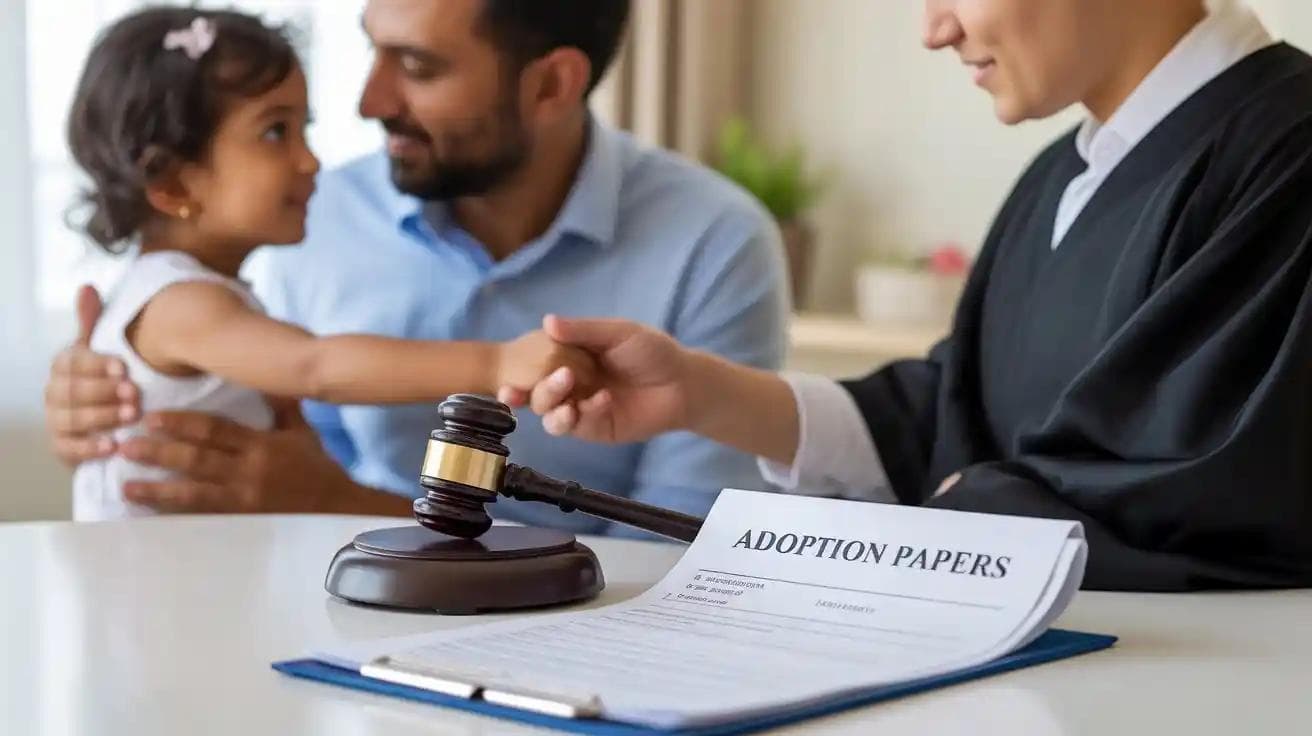
Step-by-Step: The Legal Child Adoption Process in Pakistan 2026
Step 1 — Identify the Child and Source
Children available for legal guardianship in Pakistan typically come through recognized channels — Edhi Foundation, SOS Children's Villages, Al-Khidmat Foundation, Dar ul Atfal, or government-run Child Protection Bureaus across Punjab, Sindh, KPK, and Balochistan. In some cases, families care for children of deceased relatives, or hospitals connect families with abandoned newborns through proper legal channels.
Never take a child informally. Even with the best intentions, doing so creates serious legal exposure for your family and genuine harm to the child's future.
Step 2 — Obtain NOC from the Child's Institution
If the child is from an orphanage or welfare center, obtain a formal No Objection Certificate confirming the institution supports the guardianship application and that the child is eligible for placement with your family. Reputable institutions typically conduct their own assessment — including home visits and financial checks — before issuing this document.
Step 3 — Engage a Qualified Family Lawyer
A qualified family lawyer specializing in child custody and adoption law is not optional — it is essential. Your lawyer will draft the guardianship petition under the Guardians and Wards Act 1890, prepare all required affidavits, file the petition in the correct Family Court, and represent you throughout all hearings.
Step 4 — File the Guardianship Petition in Family Court
The petition is filed in the Family Court of the district where you reside or where the child is currently located. It includes your personal details, full details of the child, the grounds for seeking guardianship, and a clear declaration of your ability and intent to provide for the child.
Step 5 — Court Hearings and Investigation
The Family Court schedules hearings to evaluate the petition. A court officer or social welfare officer will typically conduct a home visit to assess your living environment and family situation. The court may appoint a Guardian ad Litem to protect the child's interests independently. Any objections from biological relatives or the institution are heard at this stage.
Pakistani family courts consistently prioritize the best interests of the child in all guardianship decisions — your lawyer will help you present your case in line with this standard.
Step 6 — Guardianship Order Issued by the Court
Once the court is satisfied that the guardianship serves the child's best interests, it issues a formal Guardianship Order — the official legal document appointing you as the child's legal guardian under Pakistani law.
How long does child adoption take in Pakistan? Uncontested cases with complete, correctly prepared documentation typically resolve in three to six months. Contested cases or those requiring additional investigation can take one to two years or more.
Step 7 — Update NADRA Records
With the Guardianship Order in hand, update the child's records with NADRA. This updates the B-Form to reflect your status as legal guardian — essential for all future identity documentation, school registration, and passport applications.
Step 8 — Register the Child's Birth Certificate
If the child does not have a registered birth certificate, use the Guardianship Order to register the birth at the relevant Union Council and obtain an official birth certificate. This document underpins every major administrative process the child will go through for the rest of their life.
The Islamic Perspective on Adoption in Pakistan
For Muslim families, understanding the Islamic framework around caring for children is important — and deeply encouraging.
Islam places enormous value on caring for orphaned and abandoned children. The Prophet Muhammad (PBUH) ranked those who care for orphans among the closest to him, and Quranic guidance consistently emphasizes mercy and compassion toward vulnerable children.
What Islamic law does not permit is changing a child's legal lineage — treating a child as a biological child for the purposes of identity, family name, and inheritance. This is the principle that shapes Pakistan's guardianship-based approach.
The Islamic concept of Kafala — taking a child fully under your care and providing for all of their upbringing, welfare, and education — is fully recognized and encouraged. Pakistan's legal guardianship system under the Guardians and Wards Act 1890 directly mirrors this Kafala framework. This means Muslim families can raise a child with full love and commitment, provide for all their needs, and build a genuine family life — within a framework that is legally valid in Pakistan and completely consistent with Islamic principles.
Common Mistakes That Create Serious Problems
Taking a child informally without legal documentation. This is the most common and most damaging error. No matter how good the intentions, informal arrangements have no legal standing. The child's identity documents, school enrollment, passport, and future legal security all remain in limbo.
Not working through official channels. Bypassing recognized institutions — even with compassionate intent — can carry legal consequences. Always work through Edhi Foundation, SOS, Child Protection Bureaus, or other formally recognized organizations.
Incomplete documentation. Missing even a single document — a biological parent's relinquishment deed, the institution's NOC — can delay court proceedings by months. Prepare everything completely before filing.
Filing without a family lawyer. Guardianship petitions filed without qualified legal representation consistently result in procedural errors, rejected applications, and wasted time and money.
Delaying NADRA registration. Many families obtain the Guardianship Order and then delay updating NADRA records. Every day of delay creates practical problems for the child's documentation.
Underestimating the ongoing legal responsibility. A Guardianship Order carries real legal obligations — for the child's welfare, education, healthcare, and financial support. Courts take these responsibilities very seriously.
A Real Example — How a Lahore Couple Secured Their Nephew's Future
A married couple in Lahore — both schoolteachers — had been informally caring for their nephew after both his parents died in an accident. For two years, the child lived with them, attended school, and was fully part of their family. But all documentation still showed him as an orphan without a legal guardian.
When the child needed a passport for a school trip, the couple discovered they had no legal standing to apply for one on his behalf. They were also worried about his inheritance rights and long-term security.
After consulting a family lawyer and working with Baco Consultants for documentation support, they filed a guardianship petition in the Lahore Family Court. With complete documentation — including the biological parents' death certificates, proof of the child's residence with them, school records demonstrating their care, and a home visit report — the Family Court issued a Guardianship Order within four months.
They then updated NADRA records, obtained the child's B-Form listing them as legal guardians, and successfully applied for his passport. The child now has a legally recognized family, a clear identity, and a secure future — because his guardians took the time to do it properly.

Build Your Legal Knowledge
For anyone who wants to develop a more thorough understanding of Pakistan's legal, corporate, and administrative systems — which frequently intersect with family legal matters — the Institute of Corporate and Taxation (ICT) offers professionally structured courses in taxation, corporate law, and legal compliance. Their programs build real, practical knowledge that supports better decisions in both personal and professional life. Browse the complete ICT course catalog here to find programs suited to your goals.
For individuals navigating complex documentation processes, legal research, or administrative tasks, MegaFreeTools provides a wide collection of free online utilities that genuinely simplify daily work. The complete tools collection is worth bookmarking for anyone managing serious legal or administrative processes.
Frequently Asked Questions
Is child adoption legal in Pakistan? Formal adoption — where a child's legal identity is completely transferred — is not recognized under Pakistani law due to Islamic principles. However, legal guardianship under the Guardians and Wards Act 1890 is fully legal and provides comprehensive practical protections for the child's care, welfare, education, and future.
What documents are required for child adoption in Pakistan? Key documents include the applicant's CNIC, Nikah Nama for married couples, income proof, residential address proof, the child's birth certificate or B-Form, a surrender deed from biological parents where applicable, the institution's NOC, and a drafted guardianship petition filed through a qualified family lawyer.
How long does the child adoption process take in Pakistan? Uncontested cases with complete documentation typically take three to six months. Contested cases or those requiring additional court investigation may take one to two years.
Can a single person adopt a child in Pakistan? Yes. Single individuals can apply for legal guardianship. Courts apply additional scrutiny to such applications, carefully evaluating the child's safety, welfare, and the applicant's financial and emotional capacity to raise a child independently.
Can foreigners adopt a child from Pakistan? International adoption from Pakistan is legally complex and relatively rare. Foreign nationals must obtain a Pakistani court Guardianship Order and simultaneously comply with their home country's international adoption framework. Both processes must run concurrently with qualified legal support in both jurisdictions.
Is adoption allowed in Islam? Islam strongly encourages caring for orphaned children through the concept of Kafala — providing full care, support, and upbringing. What is not permitted is changing the child's legal lineage. Pakistan's guardianship system aligns directly with the Islamic Kafala framework, making legal guardianship both lawful under Pakistani civil law and fully consistent with Islamic principles.
Final Thoughts
Welcoming a child into your home and committing to their future is one of the most meaningful acts of love a family can choose. But in Pakistan, doing it through proper legal channels — under the Guardians and Wards Act 1890 and through the Family Court system — is not a formality. It is the foundation of everything that follows for that child's life.
Every step matters, from choosing the right institution and gathering complete documentation to filing a correctly prepared court petition and updating NADRA records afterward. Shortcuts and informal arrangements feel easier in the moment but create complications that can follow a child and a family for decades.
For professional documentation support, guardianship paperwork preparation, and legal and administrative guidance throughout this process, Baco Consultants is here to help — with expertise, genuine care, and complete confidentiality.
Explore the full range of legal and consultancy services at Baco Consultants, learn more about our team and values on the about page, and take the first step toward giving a child the legal protection and secure future they deserve.
Related Articles


Leave a Comment
No approved comments yet. Be the first to share your thoughts!